Luxury sales are wobbling worldwide. Yet, Dubai’s boutiques are buzzing. Runways are popping up in the desert. Dior bags still fly off the shelves. Why is the rest of the industry tightening its belt while Dubai keeps rolling out red-carpet moments? Let’s unpack the numbers, the glitz, and the strategy behind the emirate’s gravity-defying rise.
The Global Luxury Slowdown at a Glance
Consultancy Bain & Co. now expects personal luxury-goods revenue to shrink by about 2-5 percent in 2025. This marks the sector’s first real contraction since the Great Recession (pandemic years aside). Fashion houses are responding with price hikes, tighter inventories, and a sharper focus on ultra-high-net-worth clients. Yet despite this austerity elsewhere, Dubai’s malls keep clocking record footfall and luxury labels are doubling down on flagship experiences. How did the emirate flip the script?
Five Tailwinds Propelling Dubai
- A Surge of Millionaires – The UAE is expected to welcome more than 6,700 new millionaire migrants in 2024. This signifies the biggest influx on the planet.
- Tourism Rebound – Dubai ranked third-most-visited city worldwide in 2023 with 17 million international arrivals.
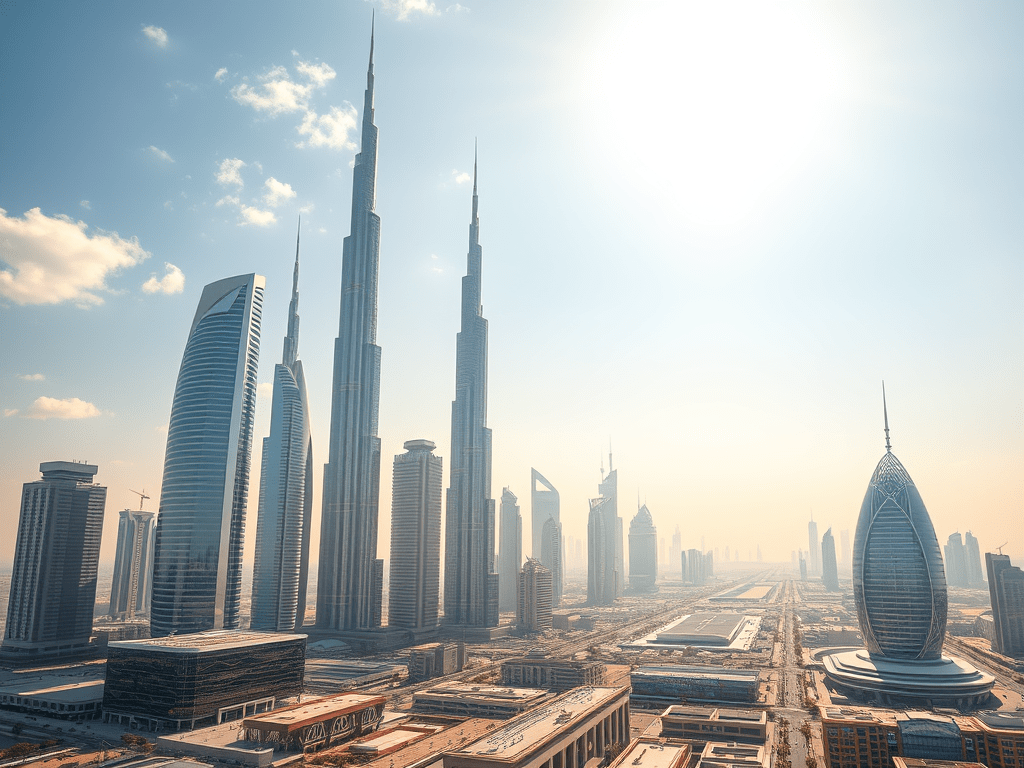
- Retail “Super-Infrastructure” – Dubai Mall set a new record with 105 million visitors in 2023. This achievement underscores the pulling power of its 1,200-plus stores.
- Real-Estate Wealth Effect – Property prices have soared 124 percent since 2020, fueled partly by $6.3 billion in post-sanctions Russian investment and renewed expat demand.
- Low Taxes & Business-Friendly Policy – Dubai has zero income tax. It offers straightforward free-zone licensing. World-class logistics make Dubai the region’s default hub for luxury distribution. (No wonder even hedge-fund titans are relocating to the DIFC.)
Put simply: more millionaires + more tourists + more places to spend = a self-reinforcing luxury flywheel.
Flagship Moments: When Runways Meet the Dunes
Zegna’s Desert Spectacle
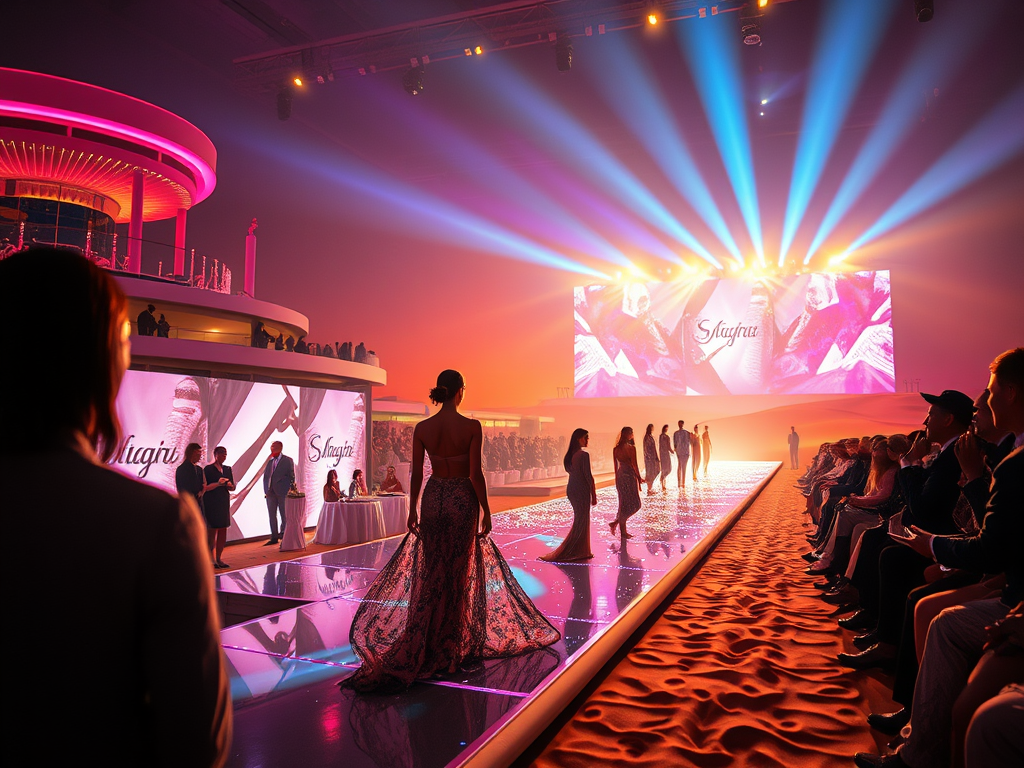
In June 2025, Italian menswear powerhouse Zegna transformed the Dubai Opera into a green-meets-sand oasis. This was for its first-ever show outside Italy. Artistic director Alessandro Sartori sent 58 fluid looks down the runway. The event happened in front of 600 VIPs. Meanwhile, James Blake played live. Group CEO Gildo Zegna called the city “the new Hong Kong” and revealed that the Gulf now accounts for almost 10 percent of group revenue.
Zegna isn’t alone. In the past 18 months, Roberto Cavalli, Armani, Chanel, and even fast-rising regional labels have staged splashy launches in Dubai, betting that experiential storytelling resonates with the Middle East’s ultra-connected clientele. Each activation feeds the hype cycle—and signals confidence despite the global chill.
Experience Is the New Store Card
Villa Zegna—an invitation-only townhouse tucked inside the Mall of the Emirates—lets clients buy runway looks immediately, get made-to-measure fittings, and sip single-origin espresso among oases of trees imported from Italy. Other brands are following suit with private-shopping apartments, fragrance exhibitions in the Dubai Opera Garden, and pop-up desert pavilions complete with NFT-linked collectibles.
Why it matters: Shoppers in the Gulf prize exclusivity over discounts, and “drop culture” over seasonal calendars. Selling the memory—not just the merchandise—locks in repeat visits and viral social posts.
What Shoppers Are Really Buying
- Emotional ROI (“Return on Instagram”): A sunset camel shoot in a custom abaya delivers more clout than another monogram bag.
- Time Savings: No long-haul flight to Milan or Paris; the runway now comes to them.
- Safe-Haven Spending: In uncertain times, high-net-worth families park wealth in hard luxury—watches, jewelry, one-of-kind couture—often duty-free.
Lessons for Brands Watching from Afar
1. Double Down on Local Clienteling
Dubai’s luxury boom is no longer tourist-only. Zegna reports a pivot from transient spenders to resident clientele who expect year-round VIP service. Ignore the locals, and you’ll miss the real action.
2. Invest in Story-Rich Events
Runway spectacles, private exhibitions, and trunk-show road trips across the Gulf yield higher marketing ROI than generic global campaigns. The Middle Eastern consumer values physical immersion before high-ticket conversion.
3. Offer Instant Gratification
Brands releasing capsule collections that shoppers can buy the moment a show ends tap right into the region’s appetite for immediacy. Think “see-now, buy-now” with concierge delivery to the hotel.
4. Mind the Macro Risks
Rapid price appreciation in real estate and chronic congestion could test Dubai’s allure. Yet until rival cities match its tax perks, safety, and spectacle, the emirate will likely keep siphoning wallets and wardrobes from Europe and Asia.
Wrapping Up: Dubai’s Playbook in One Sentence
Create the world’s most immersive luxury sandbox, invite the global elite to play, and make sure there’s always something new to Instagram tomorrow.
As long as that formula holds, Dubai will keep dazzling while other fashion capitals ride out their slowdown. The rest of the industry might want to take notes—or book the next flight to DXB.


 Daily Flicker
Leave a comment