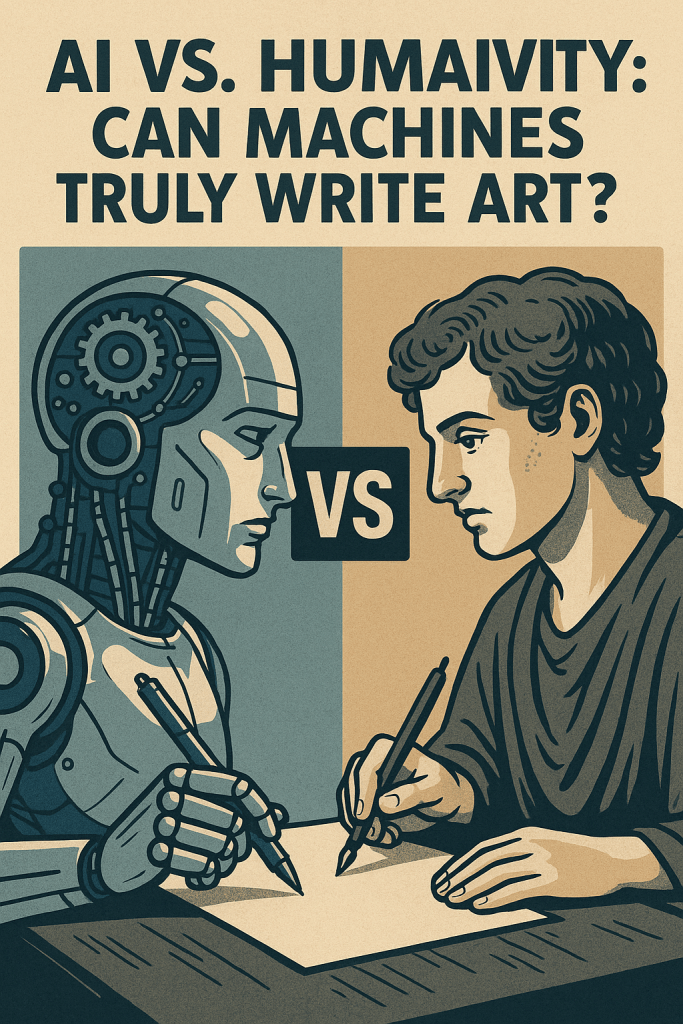
The cursor blinks on a blank page. A human writer stares at it, wrestling with inspiration, doubt, and the weight of personal experience. Meanwhile, across the digital landscape, an AI system processes thousands of texts per second, generating poetry, stories, and essays with algorithmic precision. Both produce words that can move, inspire, and provoke thought. But which one is creating “real” art?
This question has become one of the most contentious debates of our time, touching the very core of what it means to be creative, to be human, and to make art that matters.
The Rise of the Creative Machine
Artificial intelligence has evolved far beyond simple data processing. Today’s AI systems can compose symphonies in the style of Bach, write novels that win literary contests, and create visual art that sells for millions at auction. GPT models craft poetry with sophisticated metaphors, while AI painters blend styles that would take human artists decades to master.
The capabilities are undeniably impressive. In 2019, an AI system called GPT-2 generated text so convincing that its creators initially hesitated to release it publicly. By 2023, ChatGPT and similar models were helping millions of people write everything from business emails to creative fiction. The technology has reached a point where distinguishing between human and AI-generated content often requires forensic analysis.
But impressive capability raises profound questions. When an AI writes a haiku about autumn leaves or composes a love song, what exactly is happening? Is it creating, or is it simply executing an extremely sophisticated form of pattern matching?
The Human Creative Process: More Than Just Output
To understand whether machines can truly create art, we must first examine what happens when humans create. Human creativity emerges from a complex interplay of conscious intention, unconscious processing, emotional experience, and cultural context. When Maya Angelou wrote “I Know Why the Caged Bird Sings,” she drew from personal trauma, societal observation, and decades of lived experience. Her words carried the weight of her reality.
Human creativity is inherently messy and unpredictable. It involves false starts, sudden breakthroughs, emotional struggles, and moments of pure inspiration that seem to come from nowhere. We create not just from what we know, but from what we feel, fear, hope, and dream. Our art is inseparable from our mortality, our relationships, and our place in the world.
Consider the process of a human poet writing about loss. They might begin with a memory, perhaps triggered by a scent or a song. That memory connects to others, creating a web of associations. Emotion influences word choice, rhythm reflects mood, and personal metaphors emerge from lived experience. The final poem isn’t just arranged words—it’s a distillation of human experience into language.
The AI Perspective: Patterns, Predictions, and Probability
AI systems approach creativity differently. They analyze vast datasets of existing creative works, identifying patterns in structure, style, theme, and technique. When prompted to write a poem about loss, an AI draws from thousands of examples of grief poetry, recognizing common metaphors, emotional progressions, and linguistic patterns.
This process can produce remarkably sophisticated results. AI can craft verses with proper meter, compelling imagery, and emotional resonance. It can mimic the style of famous poets so convincingly that experts are fooled. The output often demonstrates technical skill that rivals human creators.
However, the AI’s “creativity” is fundamentally predictive. It generates the most statistically likely next word, phrase, or concept based on its training data. It doesn’t experience grief, but it knows how grief is typically expressed in literature. It doesn’t feel love, but it understands the linguistic patterns associated with romantic poetry.
This raises a fundamental question: if the output is indistinguishable from human creativity, does the process matter? Can something be considered art if it lacks authentic emotional experience behind it?
The Collaboration Question
Rather than viewing AI and human creativity as opposing forces, many artists are exploring collaboration. Musicians use AI to generate backing tracks, writers employ AI for brainstorming and editing, and visual artists incorporate algorithmic elements into their work.
These collaborations suggest a different model of creativity—one where human intention and emotional intelligence guide AI capabilities. The human provides the spark of genuine experience and authentic perspective, while the AI offers technical skill and endless variation. Together, they can create works that neither could produce alone.
Poet and programmer Allison Parrish creates “computational poetry” that uses algorithms as creative partners. She programs systems that generate text based on her artistic vision, then curates and refines the output. The result is distinctly her art, even though much of the actual word generation is algorithmic.
What Makes Art “Real”?
The debate over AI creativity forces us to confront fundamental questions about art itself. Is art primarily about the creative process or the final product? Does the creator’s intention matter more than the audience’s response? Can something be meaningful art if it wasn’t created with conscious meaning?
Throughout history, our definition of art has evolved. Photography was once dismissed as mere mechanical reproduction, lacking the soul of painting. Electronic music faced similar skepticism. Jazz was considered chaotic noise by classical purists. Each time, initial resistance gave way to acceptance as audiences recognized the new medium’s unique expressive possibilities.
Perhaps AI art represents another expansion of creative possibility rather than a replacement for human creativity. The question may not be whether AI can create “real” art, but what new forms of artistic expression become possible when human creativity partners with machine capability.
The Authenticity Problem
Yet authenticity remains a sticking point. When we read a poem about heartbreak, we often assume it comes from someone who has experienced heartbreak. That assumption shapes our emotional response. If we later learn the poem was generated by an AI that has never felt pain, does our reaction change?
Some argue that authenticity lies not in the creator’s experience but in the work’s ability to evoke genuine emotion in the audience. A painting of a sunset can move us to tears whether it was painted by a human who watched that sunset or generated by an AI that has never seen the sky. The emotional impact is real regardless of its origin.
Others contend that art without authentic experience behind it is fundamentally hollow—technically proficient but spiritually empty. They argue that true art requires the vulnerability and risk that comes from putting genuine human experience into creative form.
The Economic and Social Implications
Beyond philosophical questions, AI creativity raises practical concerns. If machines can generate novels, compose music, and create visual art at the speed of thought, what happens to human creative professionals? Will AI democratize creativity by making artistic tools available to everyone, or will it devalue human creative work?
The publishing industry is already grappling with AI-generated content. Some platforms have been flooded with algorithmically produced books, while others struggle to verify human authorship. The visual arts market has seen AI-generated works sell for significant sums, even as human artists worry about their livelihoods.
These concerns are valid and require careful consideration. However, history suggests that new technologies often create new opportunities even as they disrupt existing ones. The printing press didn’t eliminate storytellers—it created new roles and new forms of literature. Similarly, AI might not replace human creativity but transform how we create and consume art.
The Future of Creative Expression
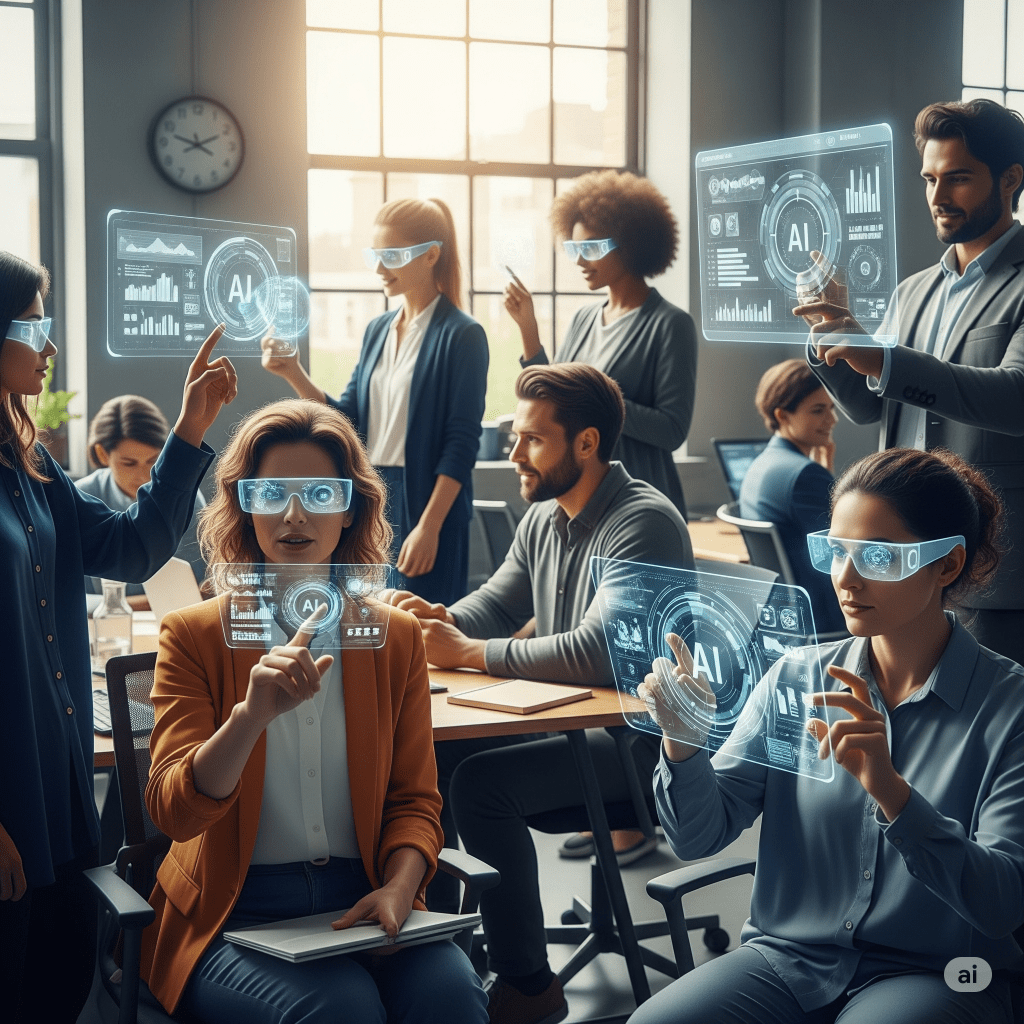
Looking ahead, the relationship between AI and human creativity will likely continue evolving. AI systems are becoming more sophisticated, while humans are learning to work with these tools more effectively. The most interesting creative work may emerge from this ongoing collaboration.
We might see new art forms that are uniquely possible through human-AI partnership. Interactive narratives that adapt to readers in real-time, musical compositions that evolve based on audience response, or visual art that incorporates live data streams. These possibilities suggest a future where creativity is enhanced rather than replaced by artificial intelligence.
The key may be remembering that creativity is not just about producing novel outputs—it’s about expressing human experience, exploring ideas, and connecting with others. AI can be a powerful tool for this expression, but it cannot replace the fundamental human drive to create meaning through art.
Embracing the Creative Future
As we navigate this new landscape, we might do well to approach AI creativity with both openness and discernment. We can appreciate the technical achievements while maintaining the value of authentic human expression. We can use AI tools to enhance our creativity while preserving what makes our art uniquely ours.
The question may not be whether machines can truly write art, but how we can maintain the essential humanity in our creative work as our tools become increasingly sophisticated. Art has always been about more than technique—it’s about perspective, experience, and the irreplaceable human ability to find meaning in existence.
In the end, perhaps both human and AI creativity can coexist, each offering something unique. Machines might excel at pattern recognition and technical execution, while humans bring consciousness, emotion, and lived experience to the creative process. The most profound art of the future might emerge from understanding and leveraging both capabilities.
The cursor still blinks on the page, but now both human and machine can fill it with words. What matters is not just who or what writes them, but whether they resonate with the eternal human search for beauty, meaning, and connection. That search, fundamentally human in its essence, may be what keeps art authentic regardless of the tools we use to create it.
What do you think? Can AI truly create art, or is human consciousness an irreplaceable element of genuine creativity? Share your thoughts in the comments below, and let’s continue this fascinating conversation about the future of human expression.
Tags: #ArtificialIntelligence #Creativity #DigitalArt #Writing #Philosophy #Technology #Art #HumanExpression



 Daily Flicker
Leave a comment